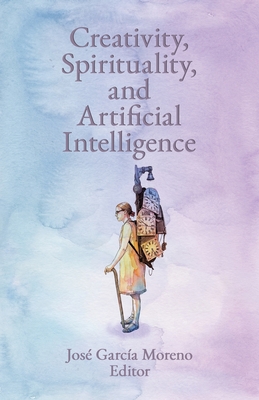
A collection of essays from Academy of Catholic Thought and Imagination Fellows-faculty at Loyola Marymount University in Los Angeles-this volume explores the profound and evolving relationship between humanity and Artificial Intelligence. Written by scholars who engage with society at large, these essays situate AI not only within academia but also within the broader cultural, artistic, and economic spheres it is transforming.
While not entirely for or against the use of AI, the contributors recognize that this human entanglement with technology will persist, demanding careful analysis of its impact on classrooms, businesses, and creative practices worldwide. Concerns about unsustainability and promises of superintelligence are acknowledged as part of the global discourse. Yet, rather than boycotting or withholding the future, this book seeks to understand it-to envision a path where AI is embraced as a tool, not a replacement for human thought. Combining skepticism and hope, it confronts the real challenges ahead while revealing pathways to agency, reminding readers that humans are not passive bystanders to technological change.
A collection of essays from Academy of Catholic Thought and Imagination Fellows-faculty at Loyola Marymount University in Los Angeles-this volume explores the profound and evolving relationship between humanity and Artificial Intelligence. Written by scholars who engage with society at large, these essays situate AI not only within academia but also within the broader cultural, artistic, and economic spheres it is transforming.
While not entirely for or against the use of AI, the contributors recognize that this human entanglement with technology will persist, demanding careful analysis of its impact on classrooms, businesses, and creative practices worldwide. Concerns about unsustainability and promises of superintelligence are acknowledged as part of the global discourse. Yet, rather than boycotting or withholding the future, this book seeks to understand it-to envision a path where AI is embraced as a tool, not a replacement for human thought. Combining skepticism and hope, it confronts the real challenges ahead while revealing pathways to agency, reminding readers that humans are not passive bystanders to technological change.
 Cart Contents